How to Choose Waterproof Motorcycle Bags in 2026
20/03/2026
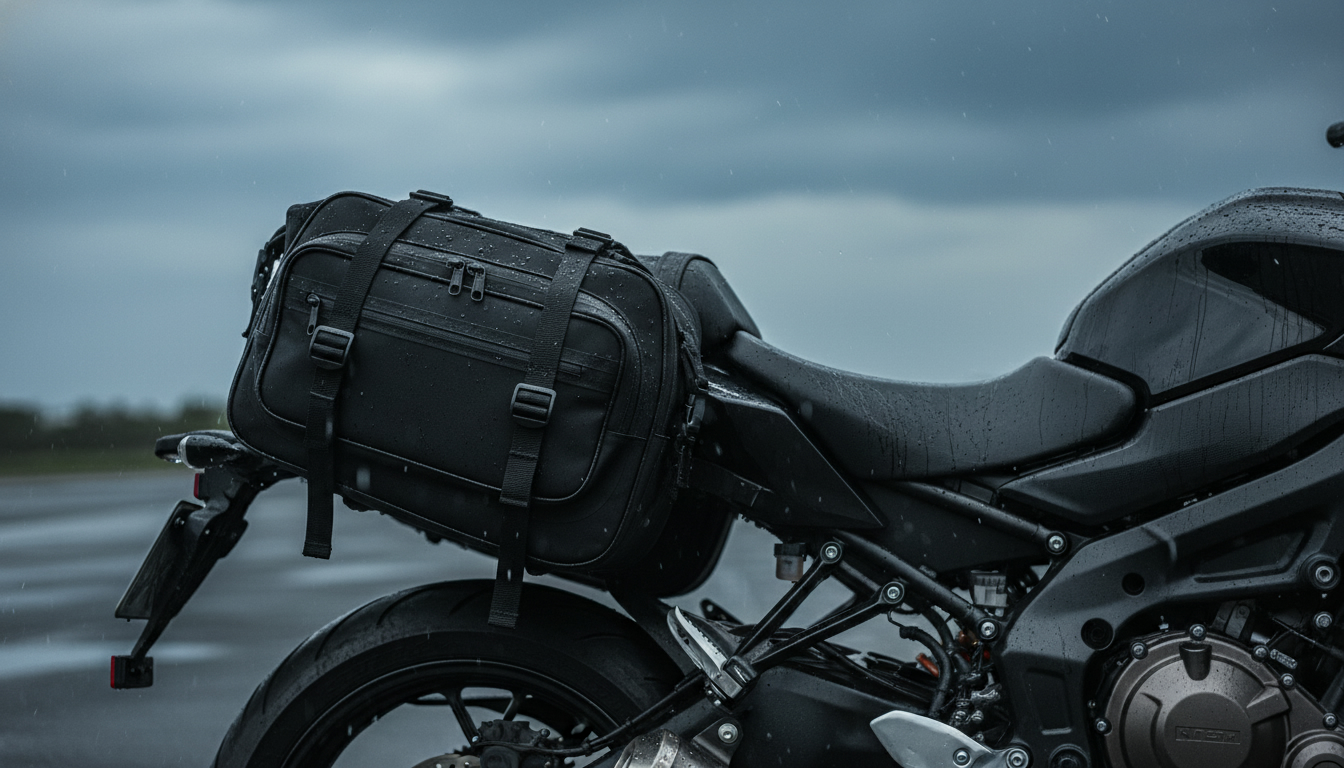
En bref, ce que vous allez découvrir dans cet article : les meilleures sacoches moto étanches pour protéger vos affaires sous la pluie, leurs types, critères de choix, méthodes de test et astuces pratiques pour un transport sécurisé et durable.
1. Introduction : pourquoi choisir une sacoche moto étanche
Rouler en moto sous la pluie peut rapidement transformer vos affaires en un véritable cauchemar humide. Opter pour une sacoche moto étanche est essentiel pour garantir la protection de vos objets personnels, qu’il s’agisse de votre téléphone, de vos papiers ou de vos vêtements. Ces sacoches offrent une barrière efficace contre l’eau, vous permettant de voyager sereinement, même par temps pluvieux. De plus, elles sont conçues pour résister aux conditions difficiles rencontrées sur la route, alliant robustesse et praticité.
2. Types de sacoches étanches
2.1 Sacoches de réservoir
Le sacoche de réservoir étanche est très apprécié pour son accès rapide et sa position centrale. Il est idéal pour ranger les objets que vous devez atteindre facilement, comme votre smartphone ou votre portefeuille. Ces sacoches sont souvent fabriquées avec des matériaux imperméables et disposent de fermetures hermétiques pour éviter toute infiltration d’eau.
2.2 Sacoches latérales / saddlebags souples
Les sacoches latérales moto imperméables offrent une capacité de rangement importante tout en restant légères. Leur conception souple permet une meilleure adaptation à la forme de la moto et une installation rapide. Elles sont parfaites pour les trajets quotidiens ou les balades, offrant une protection fiable contre la pluie grâce à des coutures soudées et des matériaux résistants.
2.3 Sacoches de selle / tail bags
La sacoche moto robuste et étanche de selle est une solution pratique pour transporter des affaires volumineuses. Elle se fixe à l’arrière de la moto et combine résistance à l’eau et solidité face aux vibrations et aux chocs. Ce type de sacoche est souvent utilisé pour les longues distances, garantissant que vos effets personnels restent au sec.
2.4 Top bags et sacoches de guidon
Les top bags et sacoches de guidon complètent l’équipement en offrant un rangement supplémentaire, souvent étanche, accessible et sécurisé. Ils conviennent bien aux petits objets et sont conçus pour résister aux intempéries tout en étant faciles à installer.
3. Comment mesurer l'étanchéité (explication des normes IPX et autres indications)
L’étanchéité d’une sacoche moto se mesure souvent via des normes comme l’IPX, qui indique le niveau de protection contre l’eau. Par exemple, une sacoche avec une certification IPX6 résiste à des jets d’eau puissants, tandis qu’une IPX8 supporte une immersion prolongée. D’autres indicateurs incluent la qualité des coutures (soudées ou thermocollées) et le type de fermeture (roll-top, zip étanche). Ces critères sont essentiels pour s’assurer que la sacoche protège efficacement vos affaires lors de trajets sous la pluie.
4. Critères essentiels pour choisir une sacoche étanche
4.1 Matériaux et construction (PVC, TPU, nylon enduit, coutures soudées)
Les matériaux jouent un rôle clé dans la résistance à l’eau. Le PVC et le TPU sont très utilisés pour leur imperméabilité et leur durabilité. Le nylon enduit, souvent renforcé par des coutures soudées, garantit une excellente protection contre l’humidité tout en restant léger. Une bonne construction évite les infiltrations, notamment aux points sensibles comme les fermetures et les coutures.
4.2 Systèmes de fermeture et fixations (roll-top, zips étanches, sangles, attaches rapides)
Le système de fermeture est déterminant pour l’étanchéité. Le roll-top, inspiré des sacs marins, est très efficace pour empêcher l’eau de pénétrer. Les zips étanches sont une autre option, souvent combinée à des rabats protecteurs. Les fixations doivent être solides et faciles à manipuler, avec des sangles ou attaches rapides assurant un maintien sûr sur la moto.
4.3 Capacité et organisation interne (poches, séparateurs, compatibilité casque)
La capacité varie selon l’usage : de petites sacoches pour les objets du quotidien à des modèles plus grands pour les longs trajets. Une bonne organisation interne avec poches et séparateurs facilite le rangement et protège les objets fragiles. Certaines sacoches sont même conçues pour accueillir un casque, ce qui est un plus pour les motards.
4.4 Compatibilité moto et aérodynamisme
Il est important de choisir une sacoche adaptée à votre type de moto pour éviter tout déséquilibre ou gêne à la conduite. L’aérodynamisme joue aussi un rôle, surtout pour les longues distances, afin de limiter la résistance au vent et la consommation de carburant.
4.5 Sécurité et antivol
Certaines sacoches intègrent des systèmes antivol ou peuvent être verrouillées pour protéger vos affaires lors de vos arrêts. Ce critère est à considérer selon vos besoins et les zones où vous circulez.
5. Méthodologie de test et résultats (protocole de pluie/immersion, critères d'évaluation)
Les tests d’étanchéité impliquent souvent une exposition prolongée à la pluie ou une immersion partielle pour vérifier la résistance des matériaux et des fermetures. Les critères évalués incluent la capacité à garder le contenu sec, la facilité d’installation, la robustesse face aux chocs et l’impact sur la conduite. Par exemple, le test TCS a attribué des notes élevées aux topcase GIVI et aux sacoches souples SW-MOTECH, soulignant leur efficacité en conditions humides réelles.
6. Top recommandations selon usage (commute / touring / off-road) — critères et exemples types
Pour le trajet quotidien (commute), privilégiez les sacs de moto résistants à l’eau légers et faciles à installer, comme les sacoches latérales souples. Pour les longues distances, la sacoche moto étanche pour longues distances doit offrir une grande capacité et une excellente protection, à l’image des modèles Enduristan Monsoon EVO. En off-road, optez pour des sacoches robustes avec fixation renforcée et matériaux anti-abrasion.
Voici un résumé des recommandations :
- Trajets urbains : sacoches latérales souples, légères, faciles à manipuler.
- Touring : sacoches de selle ou top bags avec grande capacité et résistance.
- Off-road : sacoches avec coutures soudées, matériaux renforcés, fixations solides.
7. Installation pas à pas (fixation, réglages, vérifications)
Installer une sacoche moto étanche demande quelques étapes simples :
- Positionnez la sacoche selon les instructions du fabricant.
- Fixez solidement les sangles ou attaches rapides.
- Vérifiez l’équilibre de la moto avec la sacoche en place.
- Assurez-vous que la fermeture est bien hermétique.
- Testez la stabilité en roulant doucement avant de partir.
Cette méthode garantit un maintien optimal et une protection efficace contre la pluie.
8. Entretien, réparations et prolongation de la durée de vie
Pour préserver l’étanchéité, nettoyez régulièrement la sacoche avec un chiffon humide et évitez les produits abrasifs. Contrôlez les coutures et fermetures, et réparez rapidement toute déchirure avec des kits adaptés. L’application périodique de sprays imperméabilisants peut aussi prolonger la durée de vie de votre sacoche.
9. Astuces pratiques et solutions low-cost (imperméabilisation, housses de pluie, rangement)
Si votre sacoche n’est pas totalement étanche, vous pouvez utiliser des housses de pluie spécifiques ou des sacs internes imperméables. L’imperméabilisation avec des sprays adaptés est une solution économique pour renforcer la protection. Pensez aussi à bien organiser vos affaires dans des pochettes étanches pour une double sécurité.
10. Conclusion et appel à l'action
Choisir une sacoche moto étanche adaptée à vos besoins est indispensable pour protéger efficacement vos affaires lors de trajets sous la pluie. En tenant compte des matériaux, du système de fermeture, de la capacité et de la compatibilité moto, vous garantissez un transport sûr et confortable. Pour approfondir votre préparation, découvrez nos conseils pratiques dans Préparation voyage moto et équipez-vous avec les meilleures solutions pour vos aventures.
Pour un choix éclairé, consultez également le guide complet des sacoches moto étanches qui détaille les matériaux et types adaptés aux conditions humides.
Enfin, n’hésitez pas à tester plusieurs modèles et à privilégier ceux qui offrent un bon équilibre entre étanchéité, capacité et facilité d’installation pour profiter pleinement de vos trajets, même sous la pluie.

Marc Durand
Motard passionné et voyageur chevronné, je parcours les routes d'Europe et d'ailleurs depuis plus de quinze ans à moto. Cette expérience m'a permis de découvrir les itinéraires les plus emblématiques ainsi que les astuces indispensables pour préparer un road trip réussi. Sur 2motospouruntourdumonde.com, je partage conseils pratiques, comparatifs de motos adaptées au voyage et récits d'aventures pour accompagner tous les passionnés, du novice au motard confirmé. Mon objectif est d'aider les lecteurs à vivre pleinement leur passion du voyage à deux-roues en toute sérénité et avec plaisir.