Motorcycle Road Trip in France Tips for Hunting Areas and Nature 2026
04/04/2026
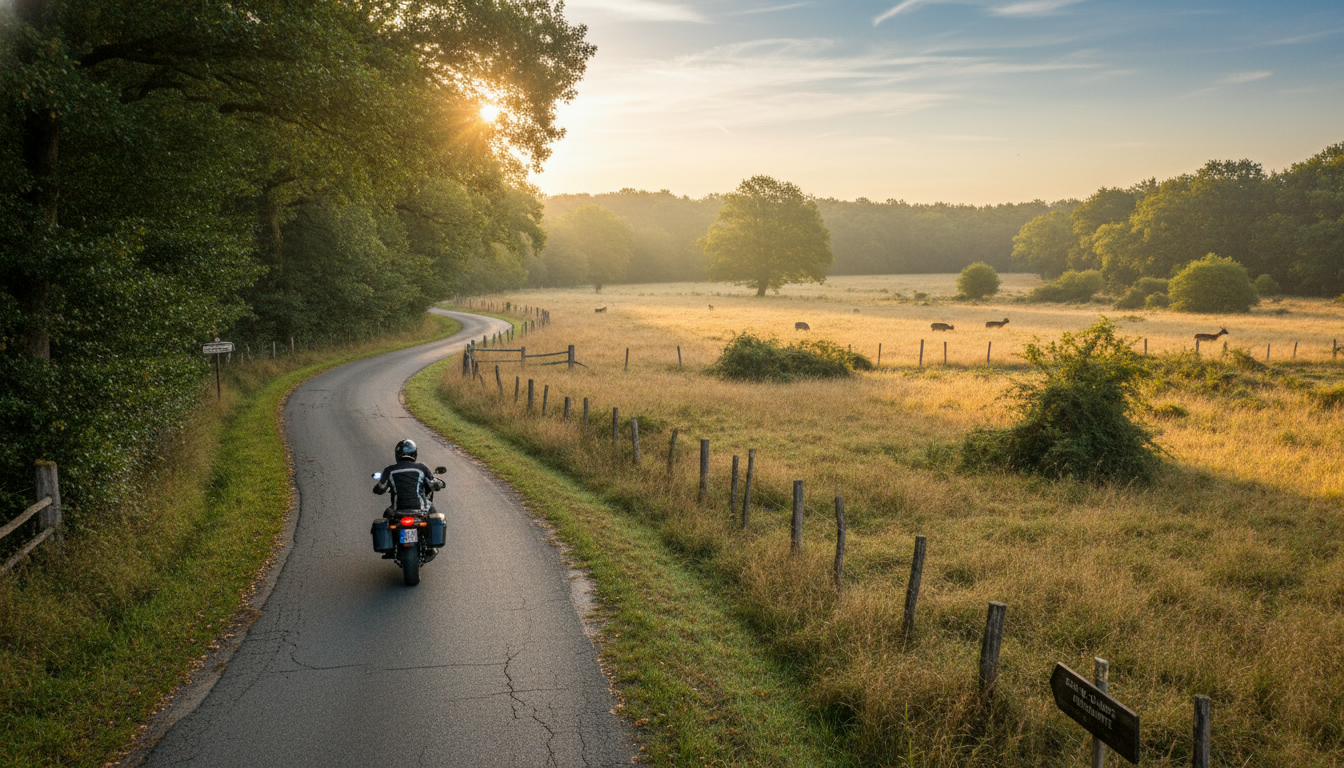
En bref, ce que vous allez découvrir dans cet article : des conseils pratiques pour planifier un road trip moto en France en intégrant les zones de chasse et les espaces naturels. Vous apprendrez à préparer votre itinéraire en toute sécurité, respecter l’environnement et profiter pleinement de la nature sans risques.
1. Pourquoi intégrer zones de chasse et nature dans un road trip moto en France
Intégrer les zones de chasse et les espaces naturels dans un road trip moto en France, c’est s’offrir une immersion authentique au cœur de paysages préservés. Ces zones offrent souvent des panoramas exceptionnels et une biodiversité riche, parfaits pour les motards en quête d’aventure et de dépaysement. En respectant les règles spécifiques à ces espaces, vous contribuez à la préservation de la faune et à la sécurité de tous, notamment des chasseurs et des animaux sauvages.
Pour bien préparer votre voyage, il est essentiel de consulter des ressources fiables comme chasse360.com, qui propose des informations à jour sur les zones de chasse en France. Cela vous permettra d’éviter les mauvaises surprises et de planifier un itinéraire respectueux et sécurisé.
2. Avant de partir — préparation réglementaire et informations locales
2.1 Calendriers de chasse et sources officielles (ONF, fédérations départementales)
La première étape consiste à connaître les périodes de chasse, qui varient selon les départements et les espèces. En général, la saison s’étend de septembre à mars, mais il est crucial de vérifier les calendriers officiels publiés par l’Office National des Forêts (ONF) et les fédérations départementales de chasse. Ces documents précisent les dates, les zones concernées et les types de chasse pratiqués.
2.2 Autorisations, interdictions et contacts utiles (propriétaires, gardes forestiers)
Certaines zones de chasse sont privées ou réglementées. Avant votre passage, renseignez-vous auprès des propriétaires terriens ou des gardes forestiers pour connaître les autorisations nécessaires. Respecter ces règles évite les conflits et garantit votre sécurité. Gardez toujours à portée de main les contacts locaux pour signaler un problème ou demander conseil.
2.3 Cartographie à préparer (couches : zones de chasse, réserves, Natura 2000)
Préparez une cartographie détaillée intégrant plusieurs couches d’informations : zones de chasse, réserves naturelles, sites Natura 2000. Ces cartes vous aideront à anticiper les passages sensibles et à choisir des itinéraires adaptés. Des applications mobiles spécialisées peuvent faciliter cette tâche en affichant en temps réel les zones à éviter ou à privilégier.
3. Sécurité sur la route et prévention des rencontres avec le gibier
3.1 Comportements à adopter en roulant (vitesses, visibilité, distance de sécurité)
La sécurité est primordiale dans les espaces naturels. Adoptez une vitesse modérée, surtout dans les virages et les zones boisées où la visibilité est réduite. Maintenez une distance de sécurité suffisante avec les autres véhicules et soyez particulièrement vigilant au lever et au coucher du soleil, moments où les animaux sont les plus actifs.
3.2 Que faire en cas de collision avec un animal ? Procédures et numéros à appeler
En cas de collision avec un animal sauvage, ne paniquez pas. Garez-vous en sécurité, signalez l’accident aux autorités compétentes et contactez les services d’urgence si nécessaire. Notez les numéros utiles, notamment ceux des gardes forestiers et de la police locale, pour une intervention rapide.
4. Respect de la nature et des chasseurs — bonnes pratiques sur le terrain
4.1 Comment se comporter lors d'une battue ou rencontre avec des chasseurs
Si vous croisez une battue ou des chasseurs, ralentissez, signalez votre présence et évitez de faire du bruit. Respectez les consignes données et ne vous approchez pas des zones de chasse actives. La communication et la prudence sont essentielles pour cohabiter sereinement.
4.2 Règles de bivouac et camping en zones sensibles
Le bivouac en zones naturelles sensibles est souvent réglementé. Privilégiez les aires de camping autorisées et évitez de laisser des déchets. Respectez la flore et la faune en limitant votre impact, notamment en utilisant des équipements écologiques et en éteignant soigneusement les feux.
5. Équipement et checklists pour le motard (sécurité + respect environnemental)
5.1 Équipement moto conseillé (gilet, éclairage, dispositifs anti-collision)
Pour rouler en toute sécurité dans les zones de chasse et nature, équipez-vous d’un gilet haute visibilité, d’un éclairage puissant et de dispositifs anti-collision. Ces équipements augmentent votre visibilité et réduisent les risques d’accidents avec la faune.
5.2 Matériel pour observation responsable (jumelles, appareil photo, guide faune)
Pour profiter pleinement de la nature sans déranger, emportez du matériel d’observation comme des jumelles, un appareil photo et un guide de la faune locale. Cela vous permettra d’apprécier la biodiversité à distance et de respecter les animaux dans leur habitat.
6. Planification d'itinéraires — exemples et modèles
6.1 Exemples d'itinéraires par région intégrant zones de chasse et sites naturels
Voici quelques itinéraires recommandés qui combinent les meilleures routes pour un road trip moto et la découverte de zones naturelles :
- La corniche des Cévennes dans le Parc National des Cévennes, classé UNESCO, avec ses paysages sauvages et ses zones de chasse réglementées.
- La route des Crêtes dans les Vosges, offrant des panoramas exceptionnels et des réserves naturelles à proximité.
- Le massif de la Sainte-Baume, avec ses forêts denses et ses itinéraires adaptés aux motards.
6.2 Alternatives saisonnières (si période de chasse active)
Si votre road trip coïncide avec la saison de chasse, privilégiez les itinéraires en dehors des zones actives ou planifiez votre passage en dehors des heures de chasse. Vous pouvez aussi opter pour des parcs naturels accessibles en moto, comme ceux mentionnés dans l’article sur les plus belles routes moto en France.
7. Outils et ressources pratiques
7.1 Applications de cartographie et météo recommandées
Utilisez des applications mobiles spécialisées pour suivre en temps réel les conditions météo et les zones de chasse. Ces outils vous aideront à adapter votre itinéraire et à éviter les zones à risque.
7.2 Contacts locaux et associations (écotourisme, fédérations de chasse)
N’hésitez pas à contacter les associations locales d’écotourisme et les fédérations de chasse pour obtenir des conseils personnalisés et des informations actualisées. Ces échanges favorisent une meilleure compréhension des enjeux locaux.
8. Conclusion et checklist finale avant départ
Planifier un road trip moto en France en intégrant les zones de chasse et la nature demande une bonne préparation et un respect strict des règles. En suivant ces conseils, vous profiterez d’une expérience enrichissante, sûre et respectueuse de l’environnement. Pour préparer votre voyage dans les meilleures conditions, pensez à consulter notre guide complet sur la préparation voyage moto et à vérifier votre équipement via notre article sur l’équipement moto voyage.
8.1 Téléchargement/checklist imprimable (équipement, autorisations, numéros utiles)
Avant de partir, voici une checklist pratique à imprimer :
- Vérification des calendriers de chasse locaux
- Autorisations et contacts des propriétaires/gardes forestiers
- Cartes intégrant zones de chasse et réserves naturelles
- Équipement moto complet (gilet, éclairage, dispositifs anti-collision)
- Matériel d’observation responsable (jumelles, appareil photo)
- Numéros d’urgence et contacts locaux
- Plan d’itinéraire adapté aux périodes de chasse
Cette organisation vous garantit un road trip moto en France réussi, alliant plaisir, sécurité et respect de la nature.
Marc Durand
Motard passionné et voyageur chevronné, je parcours les routes d'Europe et d'ailleurs depuis plus de quinze ans à moto. Cette expérience m'a permis de découvrir les itinéraires les plus emblématiques ainsi que les astuces indispensables pour préparer un road trip réussi. Sur 2motospouruntourdumonde.com, je partage conseils pratiques, comparatifs de motos adaptées au voyage et récits d'aventures pour accompagner tous les passionnés, du novice au motard confirmé. Mon objectif est d'aider les lecteurs à vivre pleinement leur passion du voyage à deux-roues en toute sérénité et avec plaisir.