Easily Plan a Motorcycle Road Trip in France in 2026
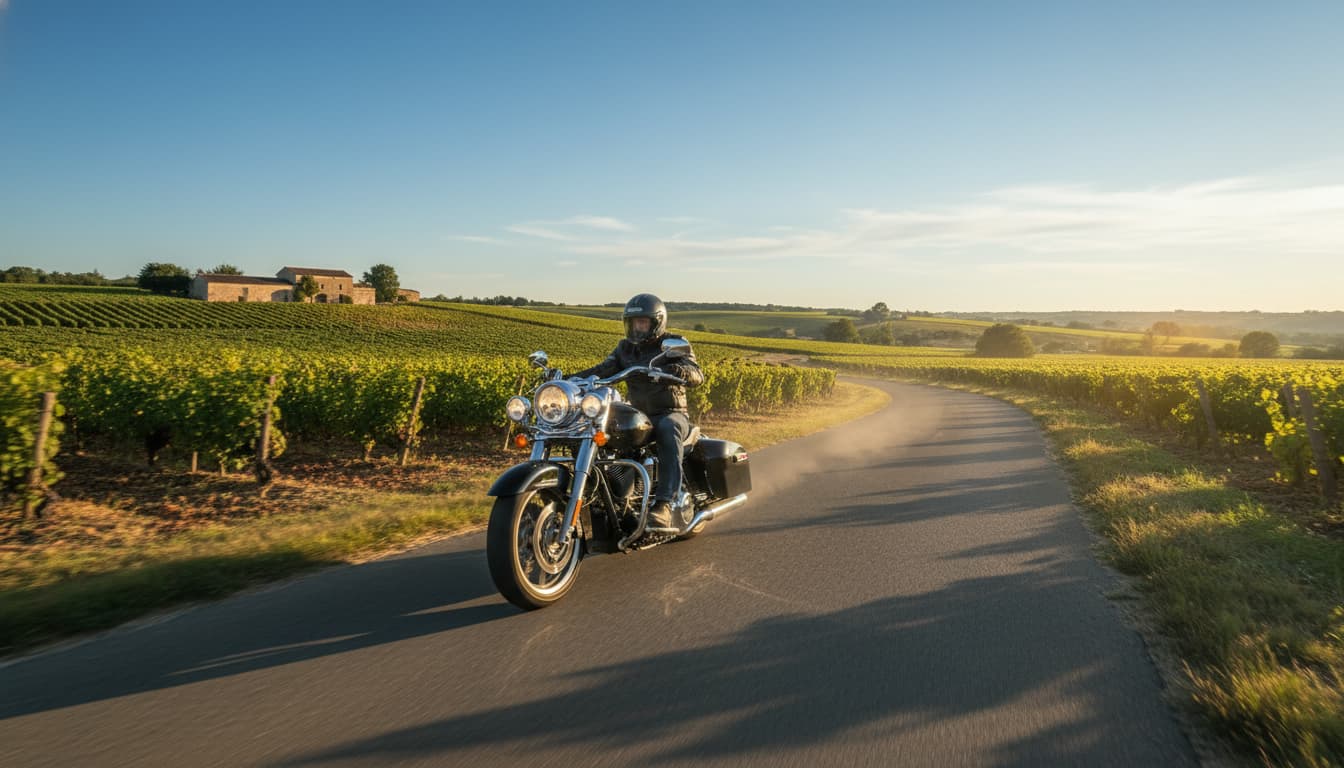
In short, what you'll find in this article: a complete guide to organizing a motorcycle road trip in France. You'll find practical advice, must-see routes, tips for preparing your bike and gear, as well as information on the best seasons and regions to ride safely and comfortably.
1. Introduction — why take a motorcycle road trip in France
Setting off on a motorcycle road trip in France offers a unique experience of freedom and discovery. The country is full of scenic roads, diverse landscapes, and picturesque villages to explore. Whether you enjoy alpine passes, wild coastlines, or winding roads in Provence, France offers an ideal playground for riders seeking adventure and thrills.
This guide promises clear organization and route ideas suited for all levels, so you can fully enjoy your motorcycle trip.
2. Who is this guide for
This guide is for both novice riders and experienced bikers. It suits all types of motorcycles, from roadsters to trails, sport bikes or customs. Whether you plan a short trip of a few days or a longer journey, you'll find advice tailored to your trip duration and desired difficulty level.
Beginners will find tips on preparation and safety, while seasoned riders will appreciate the technical routes and essential stops.
3. When to go — seasons and weather advice by region
3.1 Alps & Massif Central
The best period for a motorcycle road trip in the Alps and Massif Central runs from April to October. Mountain passes typically open from May, with pleasant summer weather. Beware of frequent late afternoon thunderstorms, especially in the mountains.
3.2 Pyrenees
The Pyrenees offer a mild climate, ideal from May to September. Spring is perfect to avoid crowds, while autumn reveals colorful landscapes. Weather can be variable, so plan accordingly with suitable gear.
3.3 Corsica
Corsica is best explored in spring and autumn when temperatures are mild and roads less busy. Summer can be hot and touristy but remains popular for its coastal panoramas.
3.4 Coastline (French Riviera, Brittany)
The Mediterranean coast is pleasant from April to October, with maximum sunshine. Brittany, cooler and wetter, is ideal in June-September to enjoy coastal roads with less rain.
4. Choosing your route — loop vs round trip vs segment
4.1 Selection criteria
To define your motorcycle itinerary, consider these key factors:
- Daily mileage adapted to your endurance
- Elevation and road difficulty (passes, tight turns)
- Road type (motorway restrictions for motorcycles, small scenic roads)
- Points of cultural, gastronomic, or natural interest
4.2 Routes by theme
- Nature: mountain roads, forests, coastline
- Gastronomy: stops in wine regions and terroirs
- Cultural: historic villages, museums, festivals
- Sport: technical circuits, legendary passes
5. Recommended routes (detailed examples with maps and distances)
5.1 Route des Grandes Alpes — duration, key stages, highlights
This iconic route stretches about 720 km, crossing 16 passes including Galibier and Iseran. Allow 5 to 7 days to fully enjoy alpine landscapes and typical villages. Highlights include Lake Geneva, Vanoise National Park, and finishing at the French Riviera.
5.2 Corsica loop — logistics advice and ferry
A 7 to 10 day circuit lets you tour the island combining coastal and inland roads. Book your ferry in advance and favor motorcycle-friendly accommodations. The winding roads offer exceptional panoramas, especially in the regional natural park.
5.3 Pyrenees crossing — passes and panoramas
A 4 to 6 day itinerary crossing famous passes like Tourmalet and Soulor. The range of landscapes between France and Spain is remarkable. Stops can include authentic villages and local markets.
5.4 Brittany / Normandy circuit — coasts and small roads
Ideal for a shorter road trip (3 to 5 days), this route favors coastal roads, cliffs, and beaches. Brittany offers wild landscapes and rich gastronomy, while Normandy charms with its history and quaint harbors.
6. Preparing your motorcycle — checklist before departure
6.1 Mechanical maintenance
- Check tire pressure and condition
- Inspect brakes (pads, fluid)
- Change oil if necessary
- Test lighting and indicators
6.2 Essential tools and spare parts
- Puncture repair kit
- Spare fuses
- Extra cables and bulbs
- Basic tools (wrenches, screwdrivers)
For a deeper preparation, check our dedicated article on motorcycle trip preparation detailing all essential steps.
7. Gear & luggage — what to take depending on duration
7.1 Technical clothing, protections, and rain gear
Choose suitable equipment: jacket and pants with CE protections, reinforced gloves, full-face or modular helmet. Compact rainwear is a must, along with thermal layers depending on the season.
7.2 Saddlebags, top cases, and load distribution
- Use side bags and a top case to optimize storage
- Distribute weight evenly to preserve handling
- Opt for waterproof luggage to protect your belongings
To select the best gear, our guide on motorcycle travel equipment will assist you step by step.
8. Navigation & digital tools
8.1 Recommended apps, how to import GPX
Apps like Liberty Rider and Calimoto are popular for motorcycle road trips in France. They allow you to import GPX files, follow custom routes, and get safety alerts.
8.2 Paper prints / backup maps
It’s advisable to carry paper copies of your routes or a road map in case of battery or network failure. This ensures reliable navigation under any circumstances.
9. Accommodation & logistics
9.1 Options
- Camping for nature lovers and autonomy
- Guesthouses and inns for a cozy atmosphere
- Motorcycle-friendly hotels with secure garages
- Hostels for tighter budgets
9.2 Bookings, ferry, gas stations, and fuel stops
Book accommodations and ferries early, especially in high season. Plan fuel stops according to rural or mountainous areas where stations are less frequent.
10. Safety and regulations
10.1 Mandatory gear, insurance, and procedures
Wearing a certified helmet is mandatory, as well as certified gloves. Be sure to have adequate motorcycle insurance, especially if you plan to travel abroad. For more details, see our article on motorcycle travel insurance abroad.
10.2 Riding tips in mountains and wet weather
Maintain moderate speeds in turns, anticipate braking, and stay alert to changing weather conditions. When it rains, increase safety distances and avoid harsh braking.
11. Budget and daily planning
11.1 Cost estimates
- Fuel: varies by distance and motorcycle
- Accommodation: camping vs hotel
- Tolls and ferry: budget separately
- Meals and extras
11.2 Sample planner for 3/5/7+ days
- Day 1: get familiar, easy roads
- Days 2-4: main stages, passes, visits
- Day 5+: relaxation, local discovery, gradual return
12. Practical tips & original ideas to include
12.1 Photo spots, local markets, workshops and events
Take advantage of stops to capture landscapes, explore regional markets, and join motorcycle events. Some workshops even offer mechanical courses for riders.
12.2 Electric motorcycle routes / charging points
France is expanding its charging network, especially in big cities and tourist areas. Plan stages according to these points for a successful electric road trip.
13. Downloadable checklists (pre-departure, daily on the road)
To forget nothing, download our comprehensive checklists covering:
- Mechanical preparation
- Personal gear
- Daily logistics
14. Conclusion
Organizing a motorcycle road trip in France requires good preparation, but the richness of the landscapes and the variety of routes make it well worth it. By following this guide, you can enjoy a memorable adventure, safely and with maximum pleasure. Feel free to download our resources and check out our other articles to perfect your plan.
To go further, discover our tips to prepare your motorcycle trip and choose the best motorcycle gear.
[1] For detailed inspiration on iconic roads, the blog Carnet de Deux Roues offers an excellent overview of recommended routes for 2025, including the Route des Grandes Alpes and Route Napoléon (https://carnet-deux-route.fr/10-routes-mythiques-road-trip-moto-france-2025/).