Discover Motorcycle Mechanical Sports and Their Competitions in 2026
12/04/2026
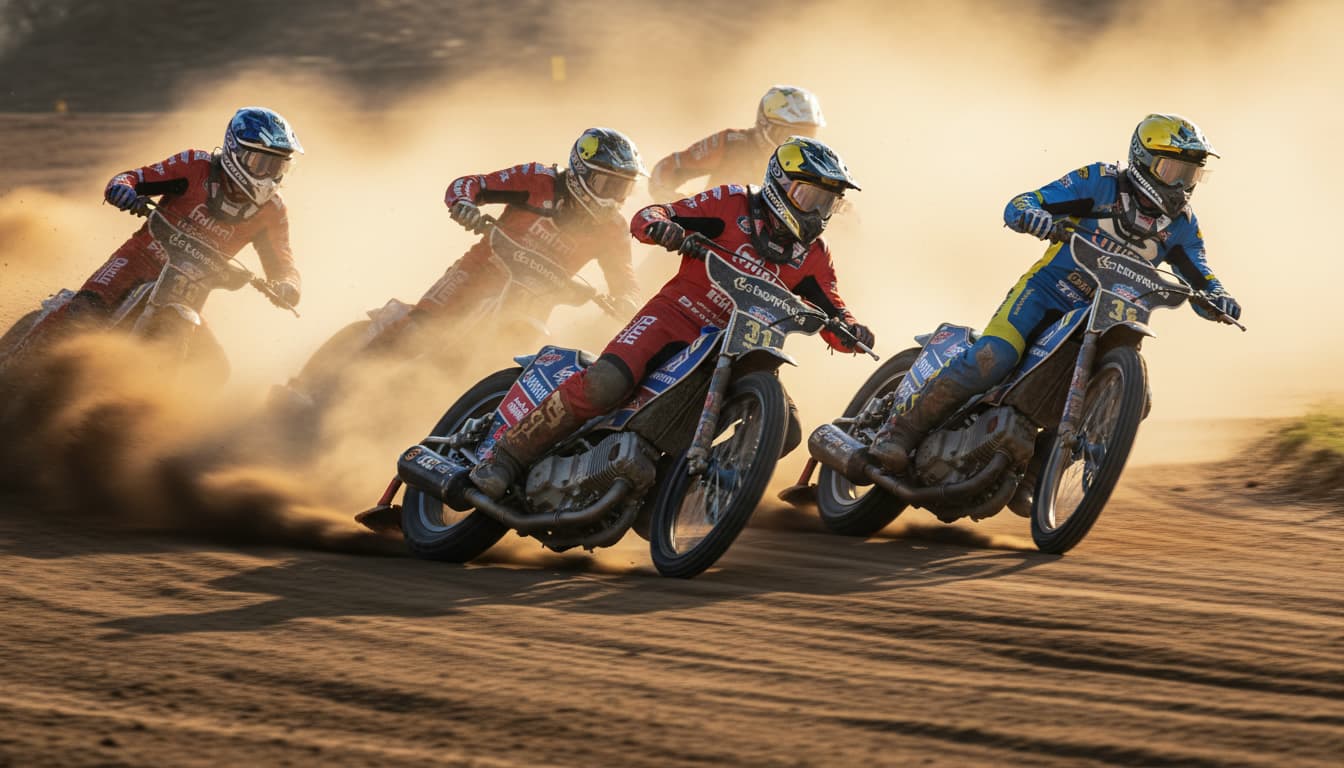
En bref, ce que vous allez découvrir dans cet article : un panorama complet du sport mecanique moto, ses disciplines phares, l’équipement indispensable, les techniques de pilotage, ainsi que les aspects économiques et environnementaux. Vous saurez aussi comment vous former, participer aux compétitions et suivre les événements majeurs.
1. Introduction au sport mécanique moto — définition et panorama des disciplines
Le sport mecanique moto regroupe toutes les compétitions et activités sportives impliquant des motos, souvent axées sur la vitesse, l’endurance et les sensations fortes. Ces disciplines se pratiquent sur différents types de circuits, qu’ils soient bitumés, tout-terrain ou mixtes. Elles attirent autant les amateurs que les professionnels, avec des formats variés allant de courses courtes à des épreuves d’endurance de plusieurs heures. Ce sport combine pilotage technique, performance mécanique et sécurité rigoureuse, offrant un large éventail d’expériences pour tous les passionnés.
2. Les principales disciplines
2.1 Superbike et championnat national/international
Le Superbike est une discipline de vitesse sur circuit, où des motos dérivées de modèles de série s’affrontent dans des courses spectaculaires. Ces compétitions nationales et internationales mettent en avant la puissance et la maniabilité des machines, avec des formats de course généralement courts mais intenses. Le championnat de Superbike est un excellent exemple de sport mecanique moto accessible au grand public, avec des courses souvent retransmises en direct.
2.2 MotoGP et catégories associées
Le MotoGP est la discipline reine de la vitesse moto, avec des prototypes spécialement conçus pour la compétition. Ce championnat mondial regroupe plusieurs catégories selon la cylindrée, comme Moto2 et Moto3, offrant un spectacle à haute intensité. Les courses se déroulent sur des circuits de moto prestigieux, où le pilotage de moto atteint son plus haut niveau technique et physique. Le MotoGP est aussi un laboratoire d’innovations technologiques pour les motos de demain.
2.3 Endurance (24H, épreuves club/pro)
L’endurance moto teste la résistance des pilotes et des machines sur des courses longues, souvent de 24 heures, comme les célèbres 24 Heures du Mans moto. Ces compétitions demandent une préparation rigoureuse, avec des relais entre plusieurs pilotes et une stratégie d’équipe. Elles se déroulent sur des circuits de moto adaptés, combinant vitesse et gestion de la fatigue. L’endurance est une discipline exigeante qui mêle performance et esprit collectif.
2.4 Motocross et supercross
Le motocross est une discipline tout-terrain spectaculaire, pratiquée sur des circuits accidentés avec des sauts et des virages serrés. Le supercross est une variante urbaine, souvent en indoor, avec des obstacles plus techniques. Ces compétitions de sport mécanique moto attirent les amateurs de sensations fortes et d’action intense. Elles se déclinent en plusieurs catégories selon la cylindrée, de 50cc à 450cc, et sont accessibles aux débutants comme aux pilotes confirmés.
3. Équipement et sécurité
3.1 Casques et protections obligatoires/recommandées
La sécurité en sport mécanique est primordiale, avec des équipements adaptés pour protéger le pilote. Le casque homologué est obligatoire, complété par des protections pour le dos, la poitrine, les coudes et les genoux. Les combinaisons renforcées et les gants spécifiques assurent une protection optimale contre les chocs et les abrasions. Choisir les bons équipements de moto est essentiel pour pratiquer en toute sécurité.
3.2 Innovations sécurité (airbags, électronique d'aide)
Les innovations en matière de sécurité intègrent désormais des airbags intégrés dans les combinaisons, ainsi que des aides électroniques comme l’ABS, le contrôle de traction et les systèmes de stabilité. Ces technologies améliorent la protection du pilote tout en facilitant le pilotage de moto, notamment dans les compétitions de haut niveau. Elles contribuent à réduire les risques d’accidents graves.
4. Technique et préparation mécanique
4.1 Entretien courant et réglages essentiels
Un bon pilotage de moto passe par un entretien régulier et des réglages précis. Cela inclut la vérification des freins, la pression des pneus, la lubrification de la chaîne et le contrôle des suspensions. Ces opérations garantissent la fiabilité de la moto et la sécurité du pilote sur circuit de moto ou en tout-terrain.
4.2 Préparation course (suspension, freinage, pneus)
Pour les compétitions de sport mécanique, la préparation est plus poussée : réglage fin des suspensions, choix des pneus adaptés au type de circuit, et optimisation du système de freinage. Ces ajustements permettent d’améliorer les performances et de s’adapter aux conditions spécifiques de chaque course.
5. Formation et carrière
5.1 Devenir pilote — écoles et parcours possibles
Pour devenir pilote, il est conseillé de suivre des formations dans des écoles spécialisées qui enseignent les techniques de conduite moto, la sécurité en sport mécanique et les stratégies de course. Ces parcours permettent d’acquérir les compétences nécessaires pour participer aux compétitions de sport mécanique et progresser dans ce milieu exigeant.
5.2 Métiers autour du sport mécanique (mécanique, ingénierie, logistique)
Le sport mecanique moto offre aussi des carrières variées en dehors du pilotage, notamment en mécanique, ingénierie, logistique ou gestion d’événements. Ces métiers sont essentiels pour le bon déroulement des compétitions et le développement des technologies.
6. Aspects économiques et sponsoring
6.1 Budget type d'une saison amateur vs pro
Le budget pour une saison de sport mécanique moto varie considérablement. En amateur, il faut prévoir les frais d’inscription, d’équipement et d’entretien, tandis qu’en professionnel, les coûts incluent également le sponsoring, les déplacements et le personnel technique. La gestion financière est un aspect clé pour évoluer dans ce sport.
6.2 Recherche de sponsors et retombées médias
La recherche de sponsors est cruciale pour les pilotes et équipes, car elle permet de financer les compétitions et d’accroître leur visibilité. Les retombées médias, notamment via les réseaux sociaux et les retransmissions TV, jouent un rôle important dans l’attractivité du sport mecanique moto.
7. Tendances et innovations
7.1 Motos électriques en compétition
Les motos électriques gagnent du terrain dans les compétitions, offrant une alternative écologique et silencieuse. Elles apportent de nouvelles sensations de pilotage et ouvrent la voie à des formats innovants, tout en répondant aux enjeux environnementaux.
7.2 Télémetrie, data et préparation performance
L’utilisation de la télémetrie et des données en temps réel permet d’optimiser la performance des pilotes et des motos. Ces technologies facilitent l’analyse des trajectoires, des accélérations et des freinages, contribuant à une meilleure préparation des courses.
8. Enjeux environnementaux et durabilité
8.1 Réduction des émissions, carburants alternatifs, gestion des déchets
Le sport mecanique moto s’engage progressivement dans la réduction de son impact environnemental. Cela passe par l’utilisation de carburants alternatifs, la gestion responsable des déchets et l’adoption de pratiques plus durables lors des compétitions.
9. Événements et communauté
9.1 Calendrier des compétitions majeures
Les compétitions de sport mécanique moto à suivre incluent le MotoGP, le championnat Superbike, les courses d’endurance comme les 24H du Mans moto, ainsi que les épreuves de motocross et supercross. Ces événements rythment la saison et attirent un large public.
9.2 Comment assister ou participer (licence, inscriptions, sécurité pour le public)
Pour assister ou participer, il est nécessaire d’obtenir une licence auprès des fédérations motocyclistes, de s’inscrire aux compétitions et de respecter les consignes de sécurité. Les clubs locaux sont souvent un bon point de départ pour débuter et s’intégrer dans la communauté.
10. Conclusion — perspectives et ressources
Le sport mecanique moto offre une diversité de disciplines passionnantes, adaptées à tous les niveaux, avec un équilibre entre performance, sécurité et innovation. Que vous soyez attiré par la vitesse sur circuit ou les sensations du tout-terrain, il existe une pratique pour vous. Pour approfondir, découvrez nos conseils pour choisir la moto idéale pour vos aventures sur moto pour tour du monde et préparez votre équipement avec notre guide complet sur équipement moto voyage.
Pour plus d’informations détaillées sur les disciplines motocyclistes, consultez le guide complet sur 50factory.com, une ressource précieuse pour mieux comprendre les spécificités de chaque sport.
N’hésitez pas à vous lancer dans cette aventure pleine de sensations et à rejoindre la communauté des passionnés !

Marc Durand
Motard passionné et voyageur chevronné, je parcours les routes d'Europe et d'ailleurs depuis plus de quinze ans à moto. Cette expérience m'a permis de découvrir les itinéraires les plus emblématiques ainsi que les astuces indispensables pour préparer un road trip réussi. Sur 2motospouruntourdumonde.com, je partage conseils pratiques, comparatifs de motos adaptées au voyage et récits d'aventures pour accompagner tous les passionnés, du novice au motard confirmé. Mon objectif est d'aider les lecteurs à vivre pleinement leur passion du voyage à deux-roues en toute sérénité et avec plaisir.