Choosing the Best Motorcycle for a Round-the-World Trip in 2026
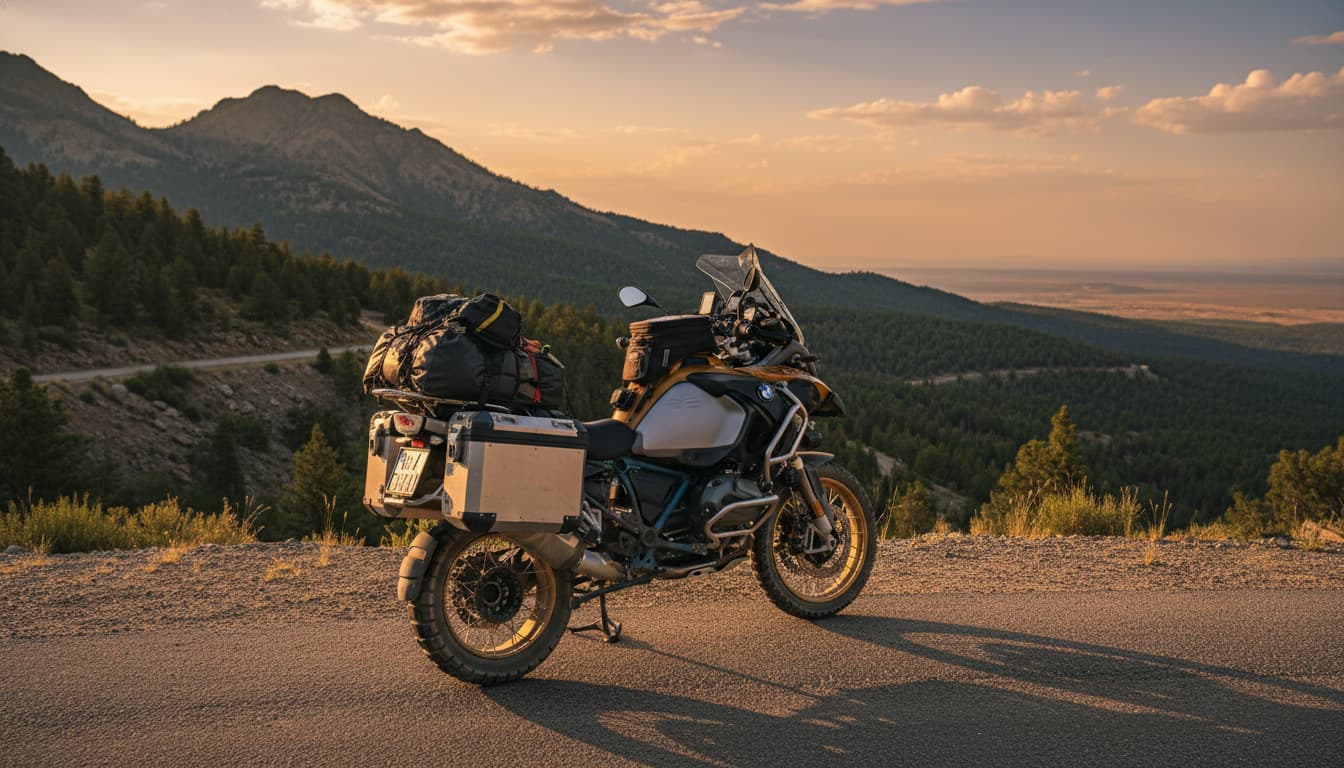
In short, what you will discover in this article: essential advice to choose the ideal motorcycle for a round-the-world trip, essential mechanical preparations, budget and insurance management, as well as practical tips to organize your motorcycle adventure safely.
1. Introduction — why set off on a round-the-world motorcycle trip and who this article is for
Going on a round-the-world motorcycle trip is a dream for many enthusiasts. This project offers a unique freedom, the discovery of varied landscapes, and a complete immersion in different cultures. This article is aimed at those seriously considering this journey, whether novice or experienced riders, seeking to choose the best motorcycle for a round-the-world trip while preparing their adventure calmly.
2. What type of motorcycle to choose for a round-the-world trip
2.1 Trail vs Enduro vs Roadster — advantages and disadvantages
For a round-the-world trip, the adventure motorcycle is often preferred. The trail bike combines on-road/off-road versatility, comfort, and load capacity, ideal for long distances and varied terrains. The enduro is lighter and more maneuverable off-road but less comfortable for long stages. The roadster offers good road handling but often lacks options for travel and luggage.
2.2 Which engine size according to profile and routes (250-500 / 650-900 / >1000 cc)
The choice of engine size depends on the rider’s profile and planned routes.
- 250-500 cc motorcycles are suitable for beginners and less demanding roads, with reduced weight and controlled consumption.
- 650-900 cc bikes offer a good balance between power and maneuverability, suitable for most travels.
- Models >1000 cc, like the BMW GS or Honda Africa Twin, are perfect for experienced adventurers seeking comfort, autonomy, and performance on all types of terrain.
2.3 Recommended models according to budget (new vs used) — examples and reasons
Depending on your budget, several options are available:
- New: the Honda Africa Twin CRF1100L, known for its reliability and comfort, is an excellent choice.
- Used: the BMW R 1250 GS, very robust, remains a benchmark for motorcycle travel.
- For a tighter budget, the Yamaha Ténéré 700 or Triumph Tiger 900 GT offer a good quality/price ratio.
These models are praised for their endurance, ability to carry luggage, and ease of maintenance—essential for a successful round-the-world trip (source).
3. Essential mechanical preparations
3.1 Protections (bars, skid plate, crash bars), suspensions, suitable tires
Before leaving, equip your motorcycle with sturdy protections: crash bars to protect the engine, skid plate underneath, and lateral reinforcements. Adjust suspensions to support added weight and rough terrain. Choose versatile tires capable of riding on and off-road, ensuring safety and durability.
3.2 Critical spare parts to bring
Bring essential parts such as:
- Tire repair kit
- Air and oil filters
- Spark plugs
- Drive belt or chain
- Bulbs and fuses
This list guarantees mechanical autonomy in case of breakdown, especially in remote areas.
3.3 Recommended upgrades (seat, lighting, filters)
For more comfort, opt for an ergonomic seat suited for long hours on the road. Upgrade lighting with powerful LED headlights for night riding. Install reinforced air filters for dust and extreme conditions.
4. Luggage and load organization
4.1 Choosing saddlebags (materials, volume, attachment)
Luggage must be robust and waterproof. Aluminum or reinforced textile saddlebags are recommended. Prioritize sufficient volume (minimum 40-50 liters) and secure attachment to avoid any risk of falling.
4.2 Weight distribution and packing tips
Distribute weight evenly to preserve motorcycle handling. Place heavy items near the center of gravity, and light accessories higher up. Use bungee cords and nets to keep the load stable.
5. Budget, insurance, and administrative aspects
5.1 Cost estimation (purchase, maintenance, fuel, transport)
The total budget includes:
- Buying or renting the motorcycle
- Equipment and accessories
- Regular maintenance and spare parts
- Fuel, which varies by country
- Intercontinental transport (ferry, container)
It's advisable to plan a margin for unforeseen expenses.
5.2 International motorcycle insurance and customs carnet
Taking out international motorcycle insurance is essential to cover risks abroad. The customs carnet facilitates the transit of the motorcycle outside your country, avoiding temporary import taxes.
5.3 Necessary documents (license, visas, registration)
Check the validity of your international driving license, prepare required visas, and ensure the motorcycle registration is up to date. These documents are crucial to avoid administrative complications.
6. Route, seasonality, and logistics
6.1 Choosing the route according to seasons and geopolitical constraints
Plan your itinerary considering seasons to avoid bad weather. Stay informed about the geopolitical situation in countries you cross to ensure your safety.
6.2 Intercontinental transport (ferry, container) and procedures
To cross oceans, use ferries or container shipping. Anticipate customs procedures and timelines to avoid delays.
7. Safety and health
7.1 Recommended personal gear (helmet, back protector, airbags)
Invest in a certified helmet, a back protector, and an airbag vest to maximize your safety. These items effectively protect you in case of a fall.
7.2 Theft prevention, first aid, and vaccinations
Protect your motorcycle with quality locks. Carry a first aid kit and get recommended vaccinations depending on the regions visited.
8. Maintenance and practical life on the road
8.1 Periodic maintenance checklists
Follow a maintenance schedule: check fluid levels, chain tension, tire condition, brakes. These regular checks prevent breakdowns.
8.2 Finding mechanics and parts locally
Research motorcycle workshops in the countries crossed and the availability of spare parts. This facilitates repairs if needed.
9. Alternatives and advanced topics
9.1 Electric motorcycle — constraints and solutions
The electric motorcycle for a round-the-world trip remains limited by range and charging station availability. However, some regions are developing adapted infrastructures, offering an eco-friendly alternative.
9.2 Renting vs buying locally — comparison
Renting a motorcycle on site can be practical for short trips, but buying a local bike is more economical and suitable for a full round-the-world trip.
10. Final checklist before departure
- Choice and preparation of the motorcycle
- Check of personal gear
- Organization of luggage and balanced loading
- Insurance and administrative documents in order
- Itinerary planning and logistics
- Preparation for safety and health
This list ensures a calm and well-prepared departure.
11. Conclusion and model recommendations according to profiles (budget / adventure / comfort)
To conclude, the ideal motorcycle for a round-the-world trip depends on your experience, budget, and adventure style. The BMW GS and Honda Africa Twin remain references for their reliability and comfort, while the Yamaha Ténéré 700 and Triumph Tiger 900 GT attract with their versatility and accessible price. Remember that mechanical preparation, suitable luggage, and good insurance are just as crucial as choosing the motorcycle. To deepen your choice and discover detailed comparisons, check out the article on the best trail motorcycles 2026.
Prepare your adventure carefully and set off to live the unique experience of a round-the-world motorcycle trip!