What Is the Best Motorcycle for Long-Distance Travel in 2026
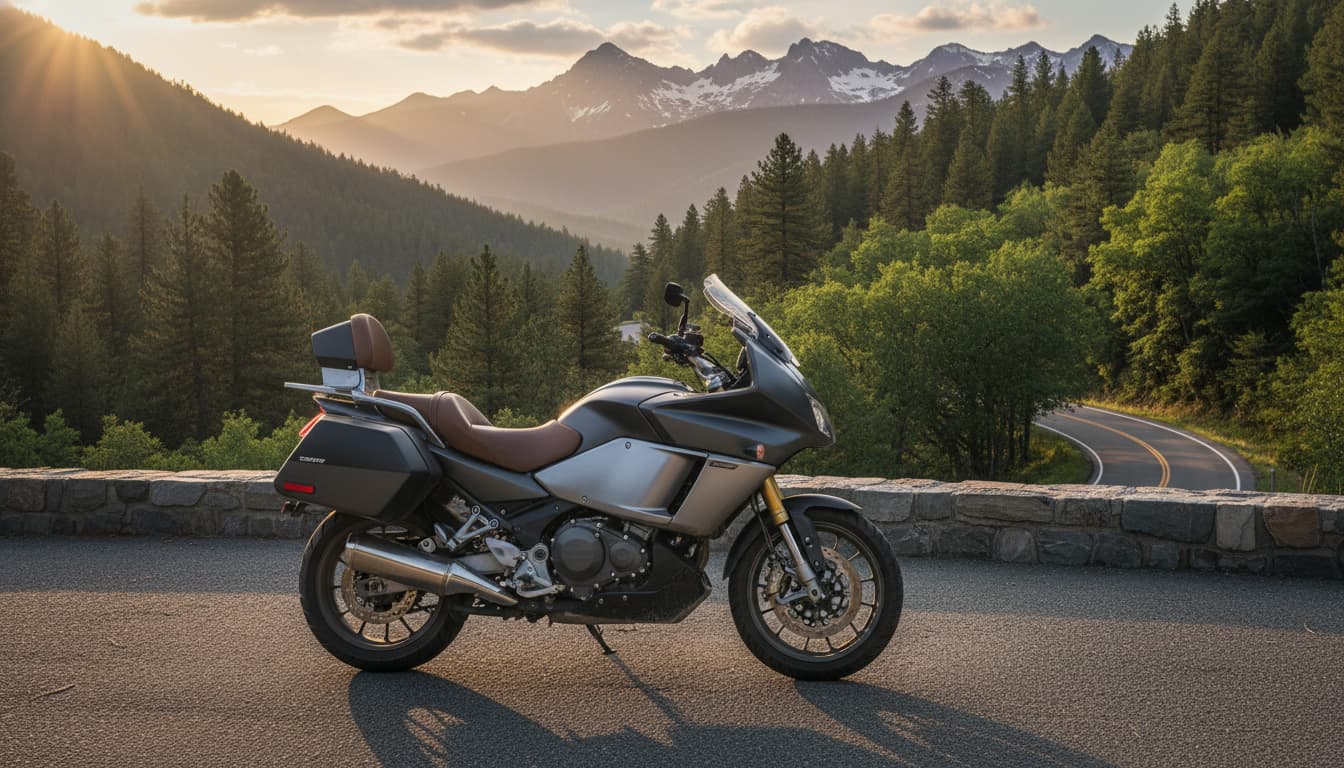
In short, what you will discover in this article: the key criteria to choose the best long-distance travel motorcycle, the types of suitable motorcycles, a top list of recommended models, as well as essential equipment and maintenance tips to succeed in your motorcycle journeys.
1. Introduction — Guide Objective and Target Audience
Choosing the best long-distance travel motorcycle is a crucial step for any rider dreaming of a road trip or extended adventure. This guide is for those looking for a reliable, comfortable, and high-performing vehicle to cover several hundred or even thousands of kilometers. Whether you are a novice or experienced, you will find practical advice to avoid unpleasant surprises and prepare your trip calmly.
2. Essential Criteria for Choosing a Travel Motorcycle
2.1 Comfort (position, seat, ergonomics) and Impact on Fatigue
Riding comfort is vital on long trips. A travel motorcycle must offer a natural position, an ergonomic seat, and appropriately positioned handlebars to reduce fatigue. Heated grips and adjustable suspension also enhance rider well-being.
2.2 Suspension, Road Handling, and Loaded Behavior
Suspension must effectively absorb bumps, especially when heavily loaded. Good road handling ensures stability and safety, even on winding roads or under variable conditions.
2.3 Real Range and Fuel Tank Capacity
Range is a key factor: a 20 to 25-liter tank often allows covering 350 to 400 km without refueling. This reduces frequent stops and eases stage planning.
2.4 Practical Fuel Consumption During Travel (e.g., roads, load)
Fuel consumption varies depending on road type and carried load. An economical motorcycle helps limit costs and increase actual range.
2.5 Reliability, Durability, and Ease of Maintenance
The ideal travel motorcycle must be robust and easy to maintain. Availability of spare parts and an extensive after-sales network are major assets.
2.6 Load Capacity, Anchor Points, and Luggage Options
The ability to carry luggage and equipment is essential. Motorcycles equipped with hard or soft cases and solid anchor points facilitate trip organization.
2.7 Protection (windshield, fairing) and Aerodynamics
A good windshield and effective fairing protect against wind and weather, reducing fatigue and improving riding comfort.
2.8 Weight, Maneuverability, and Versatility Off-road vs. Road
Weight affects maneuverability, especially at low speeds or on difficult terrain. Depending on your itinerary, favor a lighter, more versatile motorcycle or a model more stable on the road.
2.9 Availability of Spare Parts and After-Sales Network
Traveling far sometimes requires quick repairs. Choosing a brand with a network of dealers and good parts availability ensures peace of mind.
2.10 Initial Budget and Total Cost of Ownership (TCO)
Beyond purchase price, consider maintenance, fuel, insurance, and accessories costs. A good quality/price ratio is essential for a lasting investment.
3. Types of Motorcycles Suitable for Long Distance (Categories and Uses)
3.1 Trails / Adventure Touring — For Whom and When to Choose Them
Trails or adventure touring motorcycles are versatile, suitable for varied roads and sometimes paths. They are ideal for travelers seeking freedom and ruggedness.
3.2 Grand Touring (GT) / Sport-Touring — Road Comfort and Performance
GT or sport-touring motorcycles offer excellent comfort, controlled power, and premium features. Perfect for long road stages.
3.3 Classic Touring / Customs Suited for Long Stages
Classic touring motorcycles prioritize comfort and load capacity, ideal for two-up travels with much luggage.
3.4 Neo-Retro / Versatile — Compromises and Limitations
Neo-retro bikes appeal with their style and versatility but may be less suited for very long distances due to ergonomics or range.
4. Top Recommended Models (by category) — Summary Sheets
4.1 Yamaha Tracer 9 GT+ (sport-touring)
- Strengths: versatile, 117 hp, ~400 km range, electronic suspension, adjustable windscreen
- Limitations: less suitable for very rough paths
- Profile: rider seeking comfort and performance on-road
4.2 BMW R 1300 RS / R 1300 RT (grand touring)
- Strengths: luxury, advanced technology, 143 hp, ESA suspension, exceptional comfort
- Limitations: high price
- Profile: demanding traveler ready to invest in quality
4.3 Honda Gold Wing Tour (classic touring)
- Strengths: smooth six-cylinder engine, 126 hp, 60L storage, stability and top comfort
- Limitations: heavy weight
- Profile: traveling duo seeking luxury and load capacity
4.4 Suzuki V-Strom 1050 XT (adventure touring)
- Strengths: versatile road/path, 107 hp, 70L luggage, affordable price
- Limitations: less powerful than GTs
- Profile: versatile adventurer, controlled budget
4.5 Ducati Multistrada V4 S (high-end sport-touring)
- Strengths: 170 hp, advanced electronics, comfort and performance
- Limitations: cost and maintenance
- Profile: sporty and tech-savvy rider
For a comprehensive overview of sport motorcycles suitable for long-distance riders, you can consult the detailed analysis on Carnet Deux Roues.
5. Practical Comparison and Summary Table (key criteria)
| Model | Category | Power | Range (km) | Luggage Capacity | Indicative Price (€) |
|---|---|---|---|---|---|
| Yamaha Tracer 9 GT+ | Sport-touring | 117 hp | 400 | Medium | 15,000 |
| BMW R 1300 RT | Grand touring | 143 hp | 350 | High | 22,000 |
| Honda Gold Wing Tour | Classic touring | 126 hp | 350 | Very high | 38,000 |
| Suzuki V-Strom 1050 XT | Adventure touring | 107 hp | 350 | Very high | 13,000 |
| Ducati Multistrada V4 S | Sport-touring | 170 hp | 350 | Medium | 25,000 |
6. Equipment and Specific Preparation for Long-Distance Travel
6.1 Luggage (hard cases vs soft bags) — Advantages and Installation
- Hard cases: security, waterproof, stable volume
- Soft bags: lightweight, flexible, easy packing
6.2 Tires, Pressures, and Choice According to Load/Terrain
Adjust tire pressure according to load and favor versatile tires for roads and paths.
6.3 Useful Electronics (GPS, 12V/USB power, trackers)
A reliable GPS, USB outlets for charging devices, and tracking systems improve safety and comfort.
6.4 Comfort and Safety Accessories (seat, handguards, engine guards)
Invest in a comfort seat, heated handguards, and engine protection to reduce risks and fatigue.
7. Pre-Departure Maintenance and On-the-Road Upkeep
7.1 Pre-Departure Checklist (points to check)
- Oil and coolant levels
- Tire pressure and condition
- Brakes and lighting
- Luggage and accessory fastenings
7.2 Essential Spare Parts and Tools to Carry
- Puncture repair kit
- Spare fuses, bulbs
- Basic tools (wrenches, screwdrivers)
8. Riding Tips and Fatigue Management on Long Stages
Maintain a relaxed posture, take regular breaks, stay hydrated, and vary your pace to avoid fatigue.
9. Insurance, Formalities, and International Assistance
Verify that your insurance covers countries traveled through, prepare necessary documents, and subscribe to appropriate roadside assistance.
10. Conclusion — How to Choose According to Your Profile, Summary of Recommendations, and Call to Action
To choose the best long-distance travel motorcycle, balance comfort, range, reliability, and budget according to your travel style. Whether you favor the versatility of a trail or the luxury of grand touring, prepare your gear and maintenance ahead to fully enjoy every stage. Don’t hesitate to test several models and consult our specialized guide on motorcycle for around the world trips to refine your choice.
Ready to ride? Discover our selections of essential accessories and prepare your road trip with confidence!